What does a home in Seattle cost in October 2026?
The median asking price across Seattle listings in our October 2026 market feed is $773K, at $555 per square foot, with a median 40 days on market. By type: condos $534K ($606 per square foot, 55 days), townhomes $773K ($544, 49 days), single-family homes $979K ($540, 23 days). These are asking prices of homes currently listed, not closed sales; the Seattle housing market report carries the closed-sale side and the month-over-month change.
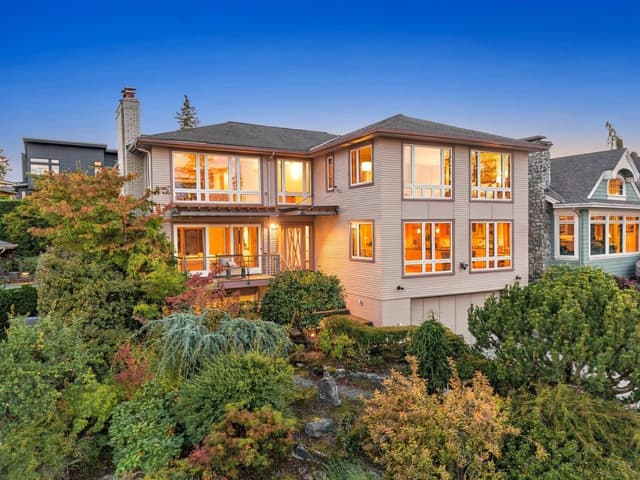
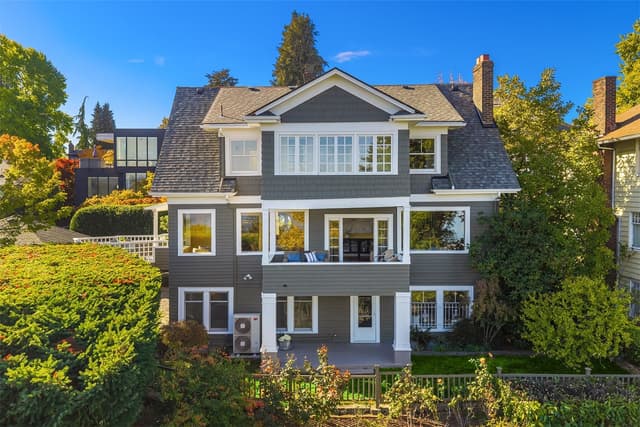
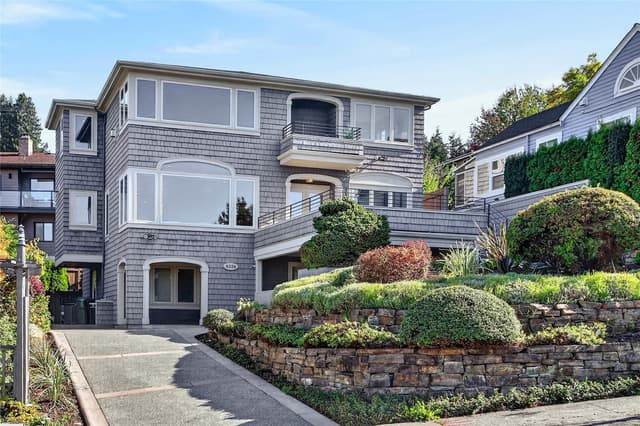
Here is how I read the price bands when a Seattle buyer calls me. Under $600K is condo territory: Belltown, First Hill, the University District, Northgate and the older buildings on lower Queen Anne, where the building's reserves matter more than the finishes in the unit. From $600K to $1M you are buying most of the city's townhomes and the smaller single-family homes south of I-90 and north of NE 85th. From $1M to $2M is the classic Seattle house: Ballard, Wallingford, Ravenna, Mount Baker, the better streets of West Seattle. Above $2M the price is paying for a view or the water: Madison Park, Laurelhurst, the crown of Queen Anne, the Magnolia bluff and Washington Park. That end of the market lives on the Seattle luxury homes for sale page.
Price per square foot tells you where the money goes. A Seattle condo at $606 per square foot costs more per foot than a house at $540 because you are paying for location and for the building; a townhome at $544 sits between them. When two homes are close on price, I compare them on the foot, then on the HOA dues, then on what the inspection will cost to fix.
Which property types make up Seattle homes for sale?
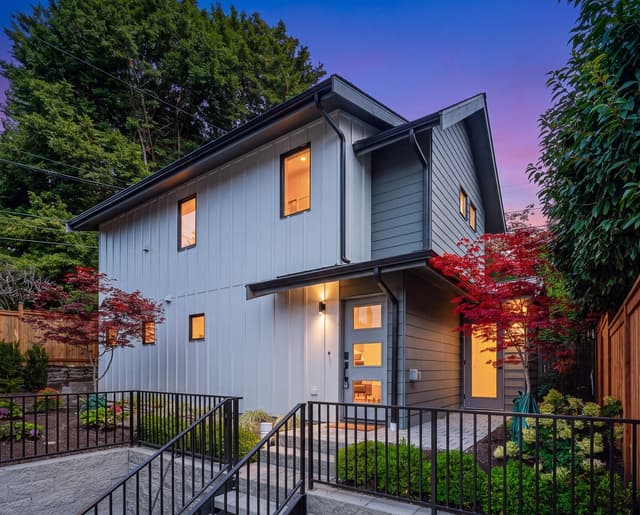
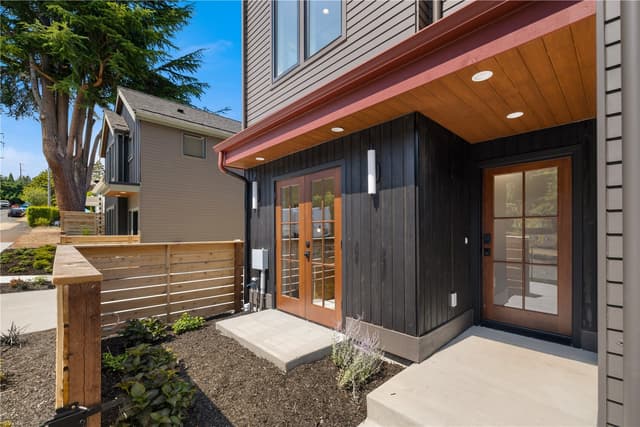
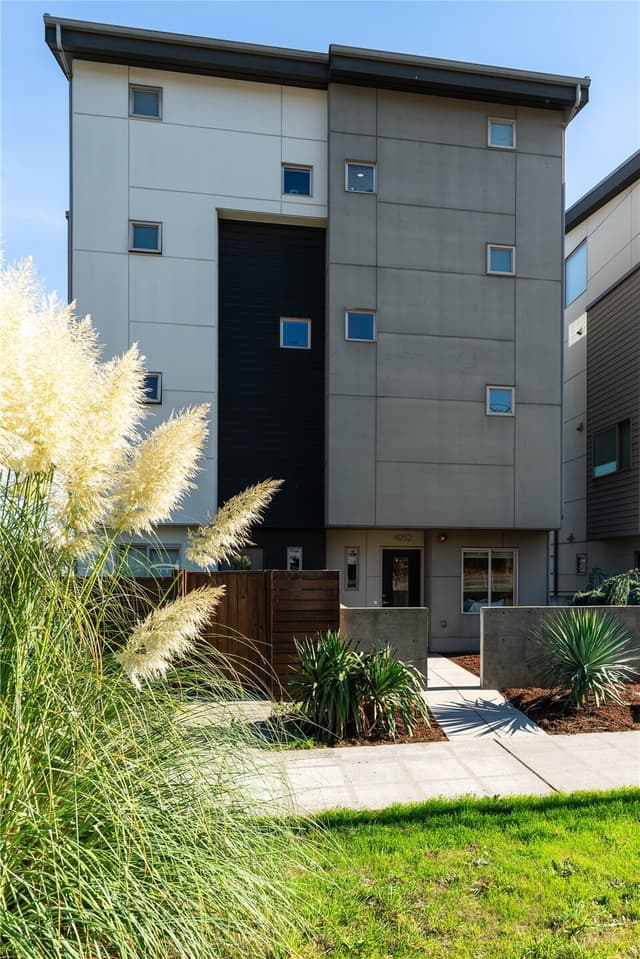
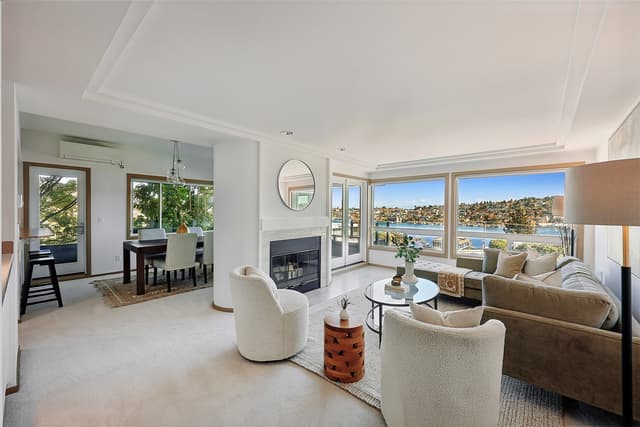
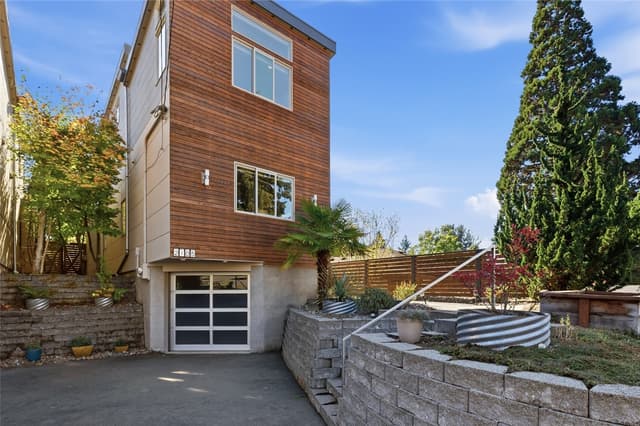
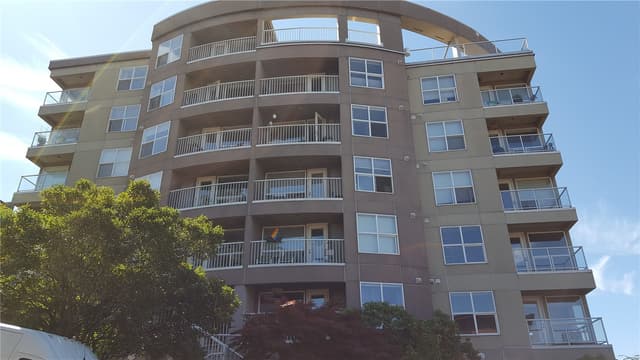
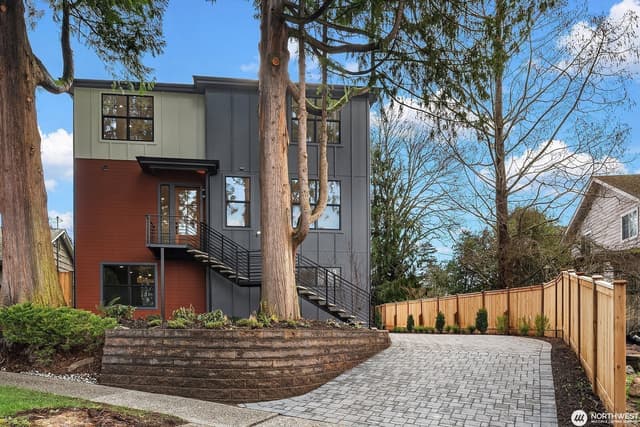
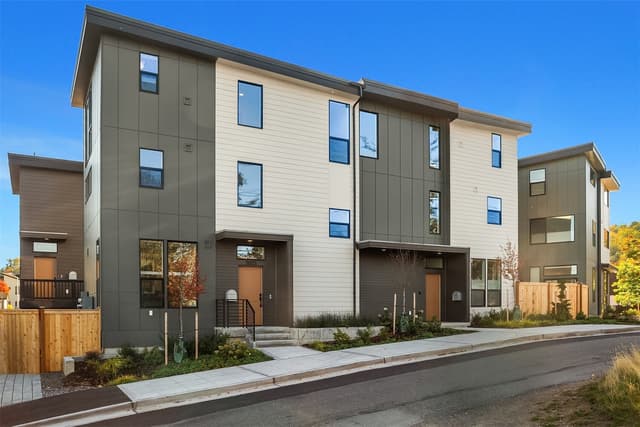
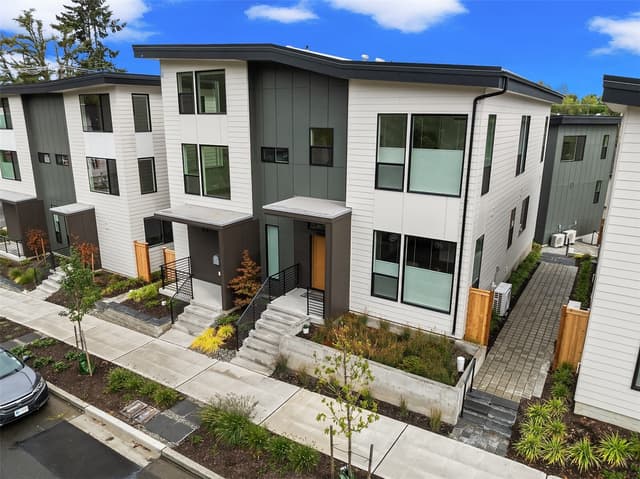
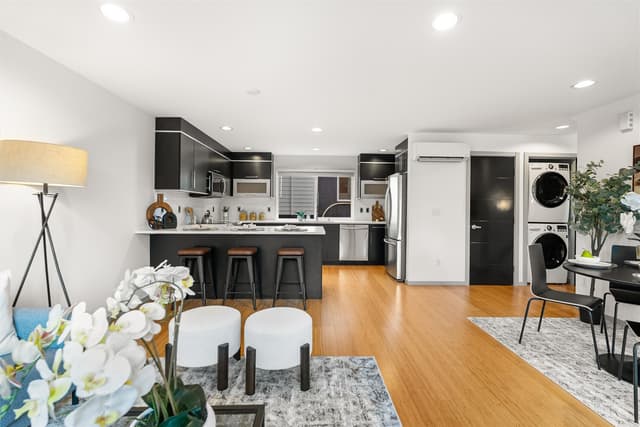
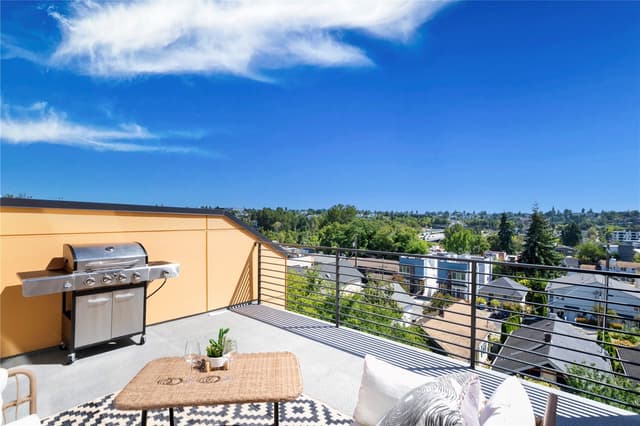
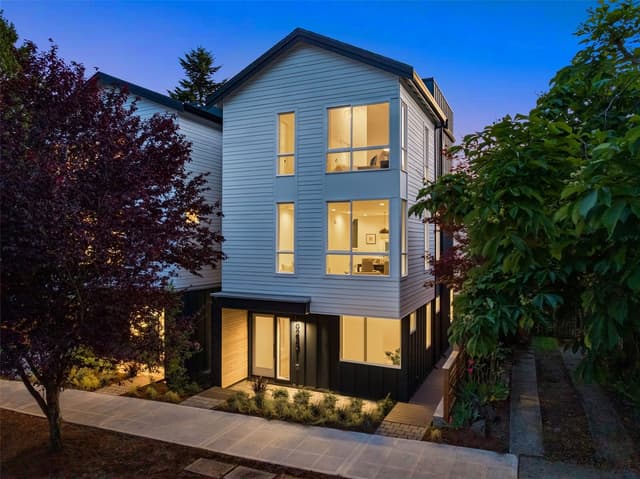
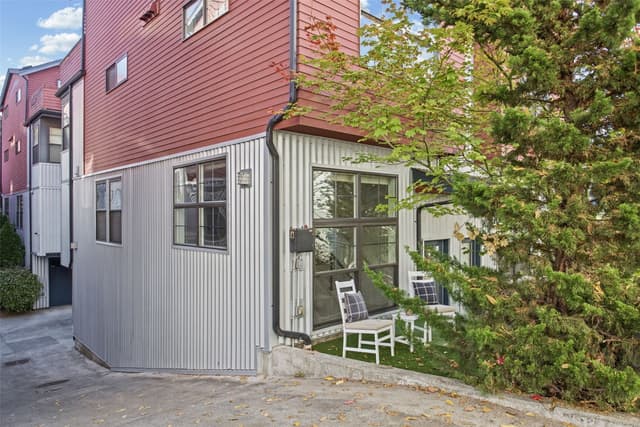
Seattle sells four kinds of home: condos, townhomes, single-family houses and a few hundred floating homes. Townhomes are the type the city has built most in the last decade, on lots that used to hold one house; they are why a Seattle buyer with a $773K budget can still own a three-level home with a rooftop deck inside the city limits. The Seattle townhomes for sale page carries all of them.
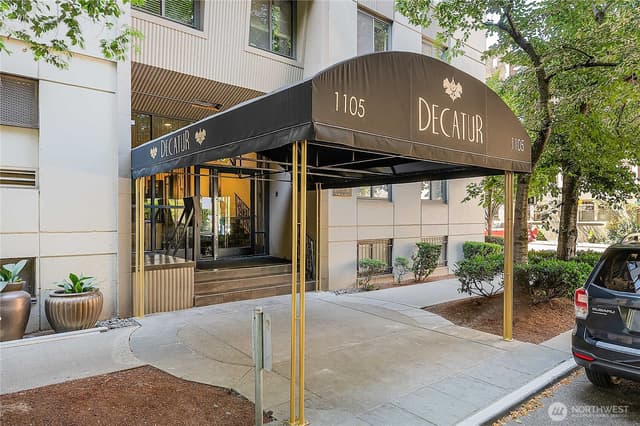
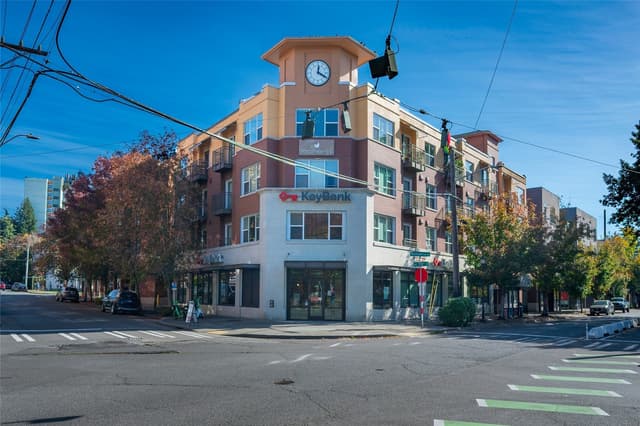
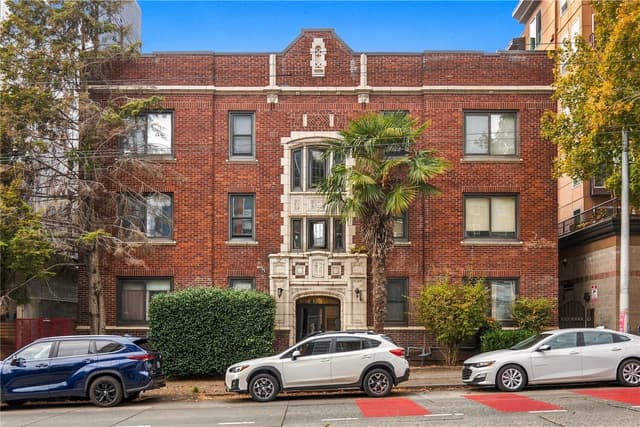
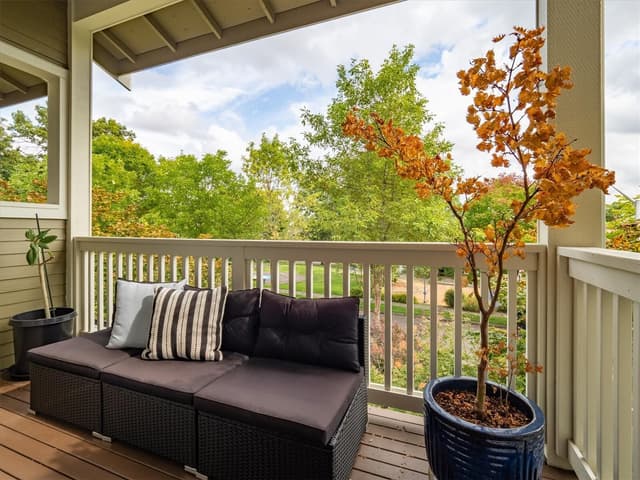
On every Seattle townhome I read the party-wall agreement and ask whether there is an HOA at all; many have none, which means no reserves and no one to call when the shared roof leaks. On every condo I read the resale certificate the Washington Condominium Act gives you five business days to review: reserve study, pending assessments, rental cap, litigation. Condo inventory, HOA guidance and the downtown tower pages are on Seattle condos for sale.
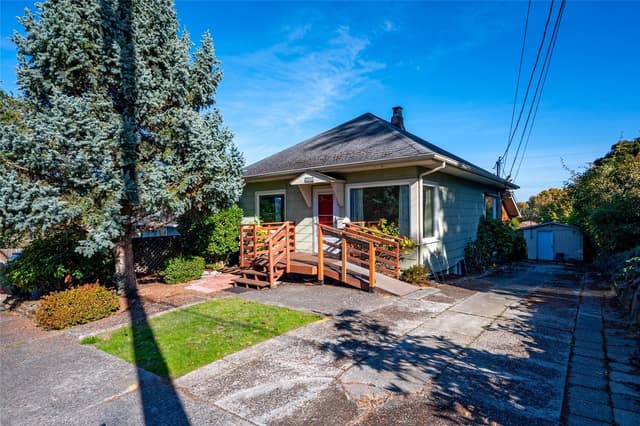
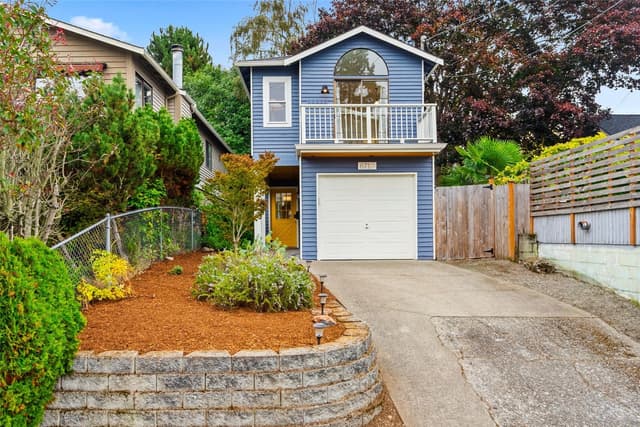
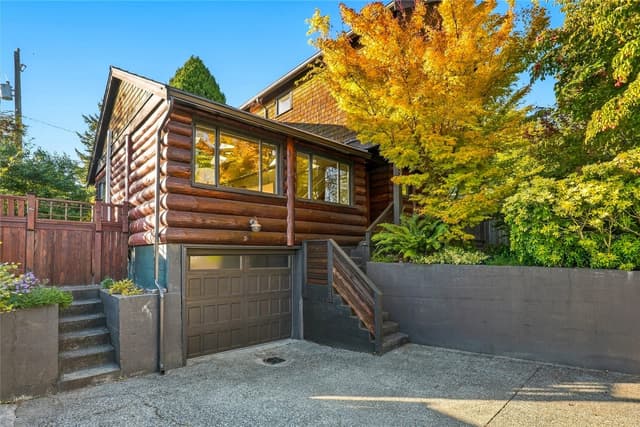
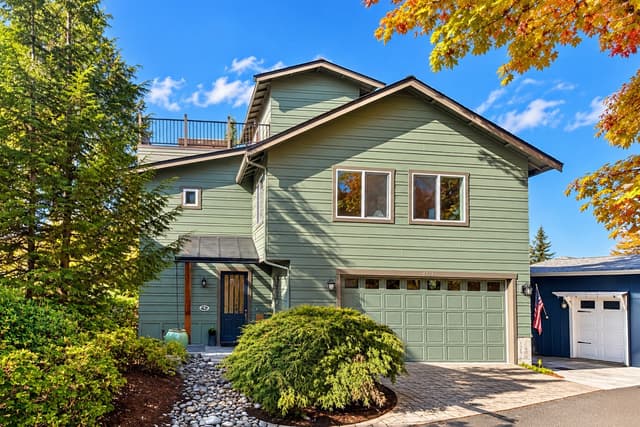
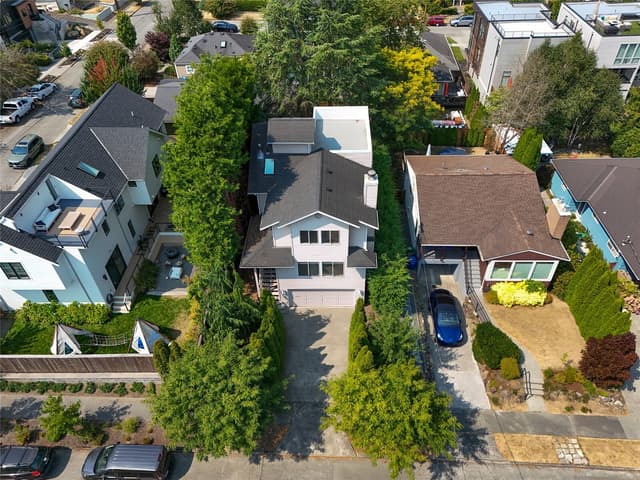
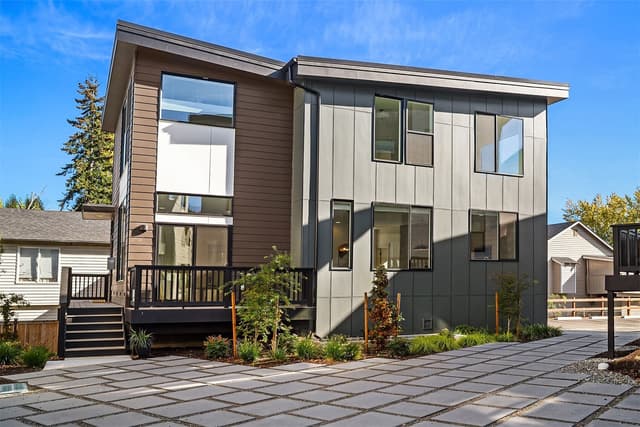
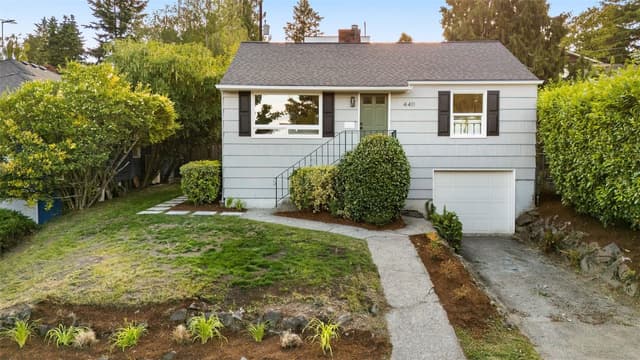
On a Seattle house built before 1960, which is most of them north of the Ship Canal, my inspection order is the sewer scope first, then the oil tank search, then the foundation and whether the house has been bolted to it. Those three items decide more Seattle negotiations than the kitchen does. New construction is its own category, with a builder warranty and a different inspection; the new construction homes in Seattle, WA page lists what was finished this year or last. The houseboats and floating homes of Lake Union and Portage Bay have their own financing rules and their own page: Seattle floating homes and houseboats.
When is the right time to buy a home in Seattle?
Seattle's inventory peaks in May and June and bottoms between Thanksgiving and the middle of January, in every year I have worked this market. A seller who lists in December is a seller who has to move, and that seller negotiates. A buyer who is pre-approved and ready in the second week of January sees the new listings before the spring competition arrives.
The feed's days on market tells you how much time you have. Single-family homes at 23 days means a well-priced Seattle house goes under contract on its first weekend; you tour it on Thursday, decide on Friday and offer before the review date. Condos at 55 days give you time to read the resale certificate and walk the building at night. Townhomes at 49 days sit in between, and the ones that pass 40 days are where I look for a price cut; the Seattle and Bellevue asking-price reduction report tracks those every month.
Interest rates move the payment more than any month on the calendar. I run the payment on the rate the day you lock, not on the rate a headline quotes, and I set the search ceiling from that number. New listings arrive every day; the alert at the bottom of this page sends them to you the morning they hit the NWMLS, so timing becomes a choice rather than luck.
What offer terms win in Seattle right now?
A Seattle offer is NWMLS Form 21 plus the addenda that carry the risk: Form 22A for financing, Form 35 for the inspection, Form 22D for the optional clauses, Form 35E when the home needs an escalation clause. On a condo the contract is Form 28 and the resale certificate review runs alongside it. What wins is not the highest number on the first page; it is the offer the seller can count on closing.
In my closings this year the terms that won were these: a pre-inspection when the seller allowed one, so Form 35 could be waived with eyes open; a Form 22A with a short financing contingency and the appraisal gap covered in writing, with proof of the funds; a closing date that matched the seller's move; and a price set from the last 90 days of closed sales within a half mile, not from the asking price. On a house with several offers I use an escalation clause with a cap we decided before the review date, never during it.
Washington requires a written buyer services agreement before I show you a home, and it states my compensation and whether the seller pays any of it; the Seattle buyer's agent page explains how I work that into the offer so it costs you nothing you did not expect. Every offer I write includes the earnest money as a real number, usually two to three percent in Seattle, held by the escrow company named in the contract.
What should I know about relocating to Seattle?
Pick the commute first and the neighborhood second. Seattle's largest employers are Amazon, Boeing and the University of Washington, and the city's commute spine is Link Light Rail with I-5 / SR-99 for drivers. Link's 1 Line runs from Lynnwood through Northgate, the University District, Capitol Hill, downtown and the Rainier Valley to Angle Lake; the 2 Line connects Seattle with Bellevue and Redmond across I-90. A home within a ten-minute walk of a station is the one I tell relocating buyers to look at first, because it holds its value in every market I have seen.
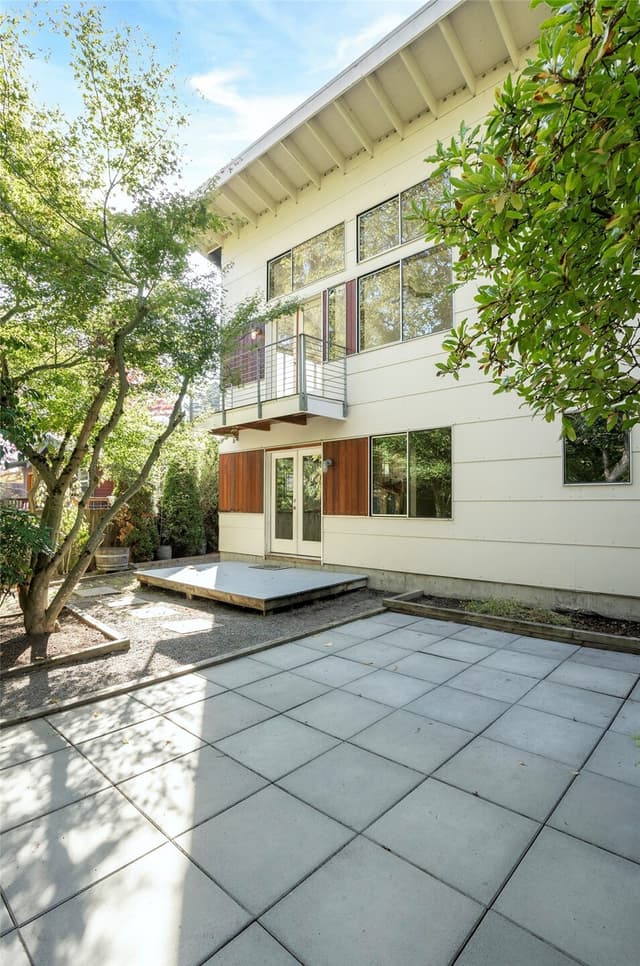
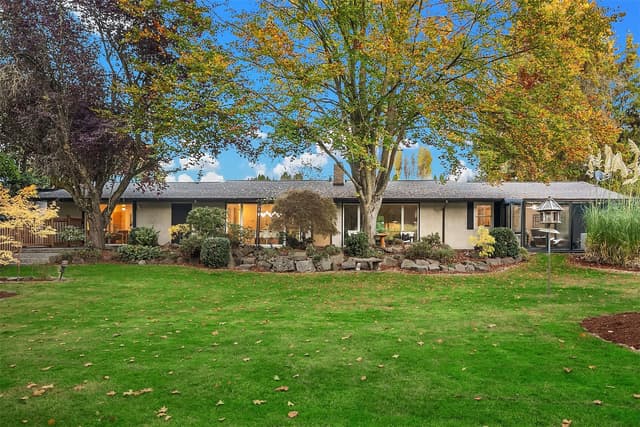
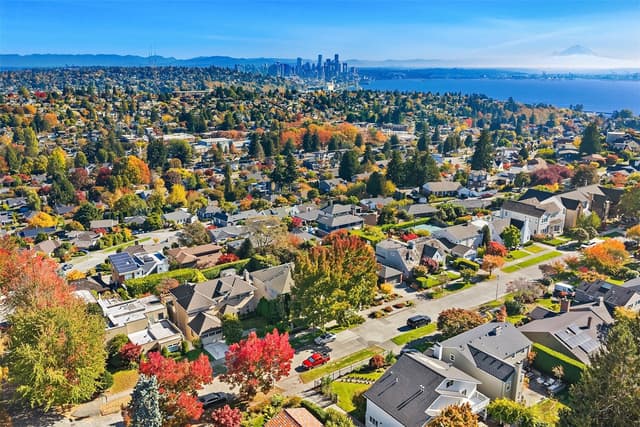
The housing stock changes with the geography. North of the Ship Canal (Ballard, Fremont, Wallingford, Green Lake, Phinney Ridge) is craftsman bungalows from the 1910s to 1940s with townhomes built between them. West Seattle, across the Duwamish, is mid-century houses on larger lots with Puget Sound views from Alki to Fauntleroy. Central and south Seattle (Mount Baker, Columbia City, Beacon Hill, Seward Park) mixes 1920s houses with the light-rail stations that changed those neighborhoods. Downtown, Belltown and South Lake Union are towers. Every one of the city's neighborhoods has a page in the Seattle neighborhood directory with its price range.
If you are arriving from out of state, two things surprise buyers: Washington has no state income tax, and the real estate excise tax on a sale is paid by the seller, not the buyer. If you are arriving from the Eastside, the difference is lot size and age; the same money buys a newer house in Bellevue and an older one on a smaller lot in Seattle. I show both in one day when a buyer is deciding between them. The Seattle neighborhood guides cover each area in depth.
How do I sell a Seattle home and buy the next one?
Start with the number: what your Seattle home is worth from closed comparable sales, prepared by a broker, not an automated online estimate. That is the Seattle home value request, and it comes back with the net after commission, the Washington excise tax and your payoff. With the net in hand, the purchase budget is a fact instead of a hope.
Then the order. In Seattle I sell first and buy second for most owners, with a post-closing occupancy agreement that gives you a few weeks in the home after it closes, so you are a cash-strong buyer on the next one instead of a contingent one. Where the next home is already in hand, a bridge loan or a home-equity line covers the gap. Either way the two contracts are written to the same calendar.
The sale itself runs on our seven-phase Listing Program: the pricing from the data, the preparation that returns more than it costs, photography and video, the launch to the market, the review date, the negotiation and the close. The sell my house in Seattle page walks through every phase. When you are ready, the value request and the alert for your next home are both at the bottom of this page.