
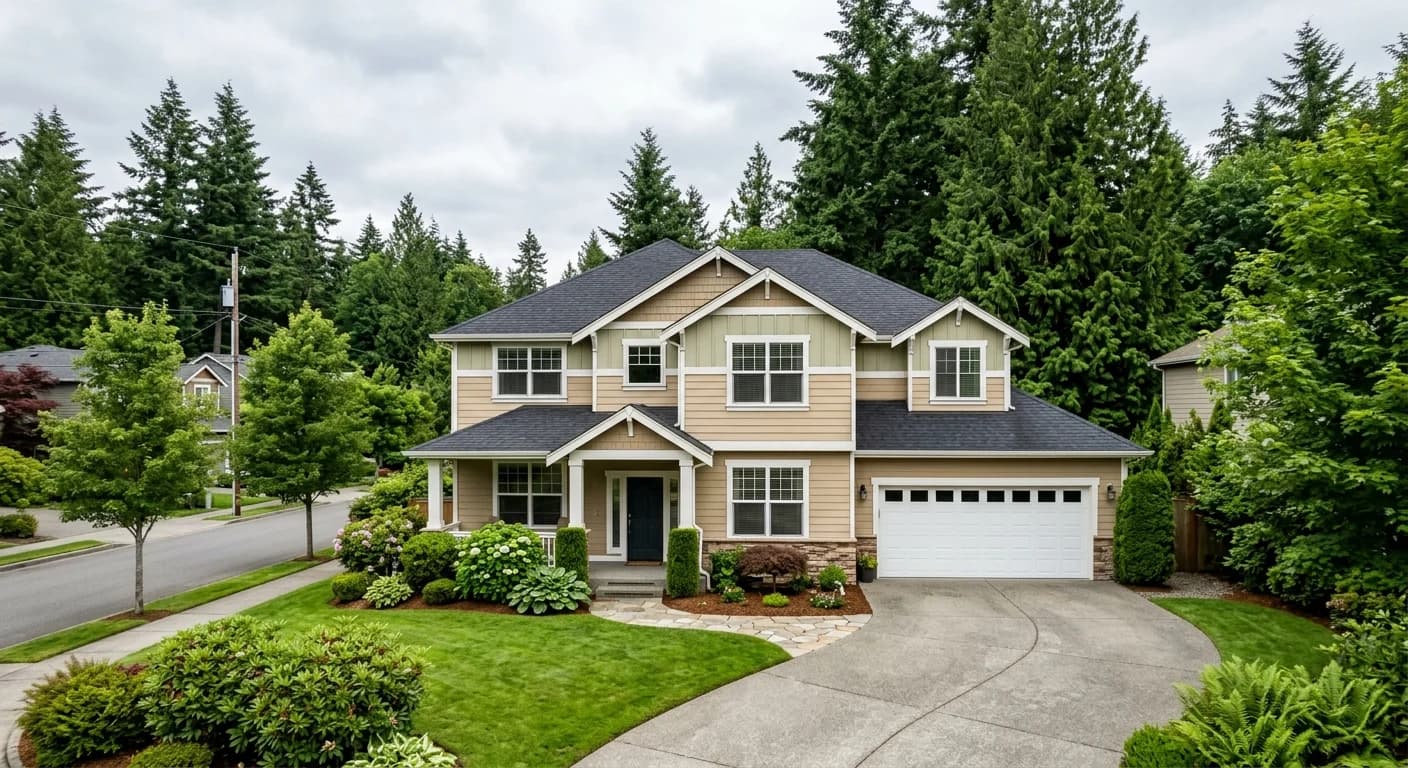
Sell Your Rental Property in Issaquah — Investor Exit Strategy

Page author
Adriano Tori
Founder & Designated Broker — RexMont Real Estate · WA Lic. #27660
Adriano leads RexMont Real Estate — the most-reviewed real estate brokerage in Seattle and the Eastside. 1,200+ closed transactions, $1B+ in production, and 1,242 five-star Google reviews.
Selling a rental property in Issaquah is a different exercise than selling a primary residence. Depreciation recapture, capital gains stacking, tenant coordination, and 1031 exchange timing all have to be worked through before you list — not after you accept an offer. The financial stakes are high, and the sequencing matters as much as the sale price.
I am Adriano Tori, Founder & Designated Broker of RexMont Real Estate, WA Lic. #27660. RexMont has 1,242 5-star reviews and $1B+ closed across 1,200+ transactions, including investment property exits across Issaquah, Issaquah Highlands, and the broader I-90 corridor. We coordinate with your CPA and qualified intermediary on exchange timing, work through tenant logistics, and execute the listing so your exit is clean.
Issaquah has been an exceptional investment market. Long-term holders of rental properties — especially in Issaquah Highlands — are sitting on significant appreciation. That appreciation comes with a tax event that can easily exceed $200K if not planned for. This page walks through the exit strategy so you capture your gains and keep as much as possible.
Investor exit strategy: tax planning before the listing
The first step is a pre-sale CPA consultation to model your net after federal and state tax. Washington has no state income tax, but the federal tax on an appreciated Issaquah rental — capital gains plus recapture plus net investment income tax — can be 30%–35% of the gain. A 1031 exchange defers all of this by rolling proceeds into a replacement property. If you want to exit real estate entirely, an installment sale or opportunity zone investment may reduce the bill; if you want to stay invested, the exchange is typically the most effective tool. Have this conversation before you call a listing agent.
Once the tax strategy is set, the listing strategy follows. If the property is vacant or becomes vacant before listing, RexMont executes a standard prep-and-launch strategy targeting both owner-occupants and investors. If the property is tenant-occupied, we work with you and the tenant on access, move-out incentives, and timing so the home goes to market in the best possible condition. See the full Issaquah seller cost breakdown and cash-offer options for investors who need a faster close.
FAQ
Issaquah rental property sale — FAQs
How does depreciation recapture work when I sell my Issaquah rental?
When you sell a rental property, the IRS requires you to recapture the depreciation deductions you took (or could have taken) over your ownership period, taxed at a maximum rate of 25% (Section 1250 recapture). On top of that, any gain above your adjusted basis is taxed at long-term capital gains rates (0%, 15%, or 20% depending on income) plus the 3.8% net investment income tax if applicable. On an appreciated Issaquah rental, this can be a six-figure tax event. A CPA should model your total tax liability before you sign a listing agreement.
Can I use a 1031 exchange to defer taxes on my Issaquah rental sale?
Yes. A [[1031 exchange|https://www.irs.gov/businesses/small-businesses-self-employed/like-kind-exchanges-real-estate-tax-tips]] allows you to defer capital gains and depreciation recapture taxes by reinvesting proceeds into a like-kind replacement property. Key rules: you must identify the replacement property within 45 days of closing and close on it within 180 days. You cannot touch the proceeds — a qualified intermediary (QI) holds funds between transactions. RexMont coordinates with QIs and your CPA to time the Issaquah sale so the exchange deadlines are workable.
Can I sell my Issaquah rental with tenants in place?
Yes, but it adds complexity. Washington's Residential Landlord-Tenant Act ([[RCW 59.18|https://app.leg.wa.gov/rcw/default.aspx?cite=59.18]]) gives tenants specific rights around access for showings (24-hour advance notice minimum). Month-to-month tenants can be given notice; fixed-term leases run to their end unless the tenant agrees to early termination. Some buyers (investors) prefer a tenant-occupied property with income in place; most owner-occupants want it vacant. The condition of the home relative to a vacant listing also matters — professional photography and staging are harder with an occupied property.
Should I wait for my tenant's lease to expire before selling?
It depends on the buyer pool you want to target. A vacant property attracts both investors and owner-occupant buyers — the larger pool — and typically commands a higher price in Issaquah's owner-occupant-dominant market. Waiting for a lease to expire (and negotiating a clean move-out with your tenant) often nets more than selling with tenants in place, even after the carrying costs during the waiting period. RexMont models both timelines so you can decide with the numbers in front of you.
What are the selling costs on an Issaquah rental property?
The same costs apply as for a primary residence: agent commission (negotiated, typically 4.5%–6%), Washington REET (state graduated 1.10%/1.28%/2.75%/3.00% plus 0.50% King County local), title and escrow ($1,800–$3,000 seller side), and any prep costs. Your mortgage payoff and deferred maintenance also affect net. Use the [[Issaquah net-proceeds calculator|/cost-to-sell-house-issaquah]] for a real-time estimate.
Issaquah investment property exit
Exit on your terms. Keep more of your equity.
Share details about your rental — address, tenant situation, and rough timeline. RexMont will walk you through the tax sequencing, 1031 exchange options, and listing strategy so you exit with the maximum after-tax proceeds.